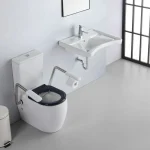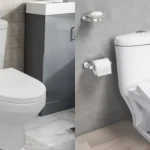
ADA-compliant toilet

ADA-compliant toilet height guide for seniors

Accessibility is no longer a nice-to-have; it’s a must-have in today’s environment. Bathroom design has become quite important as houses, hotels, and public places change to make them accessible to individuals of all abilities. The ADA-compliant toilet is one of the most critical parts of a bathroom that is easy to get to.

The Americans with Disabilities Act (ADA) created criteria that set high standards to make sure that people with impairments can utilize facilities safely, comfortably, and on their own. These rules are very important for persons who have trouble moving about, use wheelchairs, are older, or are healing from an injury.

ADA-compliant toilets are designed with features like higher seats, better spacing, and support systems that make them easier to use and less painful. These characteristics are not found in regular toilets. But they are important for more than just following the rules; they are also important for encouraging dignity, independence, and living together.

ADA Toilet Requirements

ADA regulations

Before you can build a bathroom that satisfies ADA regulations, you need to know what kind of toilet you need. These regulations are aimed at making things simpler to reach, safer, and easier for people who have problems getting around to utilize. The height, spacing, and other features all determine how comfortable the user is.

Following these principles can help you obey the rules and have a better time on the toilet.

  • Longer Bowl Shape: The ADA says that a longer toilet bowl is more comfortable. Because it is longer, it can hold things better than round bowls.
  • There must be at least 60 inches of open space around the toilet. This gives those in wheelchairs enough room to move around and get comfortable.
  • Distance from Wall (16–18 inches centerline): The toilet should be set up such that its midline is 16 to 18 inches from the wall. This makes sure that the grip bars are easy to reach and line up correctly.
  • Flushing controls: You should be able to flush with only one hand. They shouldn’t have to be really strong, twist a lot, or hold on tightly.

Installation Standards: The Key to True ADA Compliance

When it comes to ADA compliance, choosing the right toilet is only half the job; the real difference lies in how it’s installed within the space. According to the Americans with Disabilities Act, proper bathroom layout is essential to ensure full accessibility.

True compliance involves maneuvering clearance, not just fixture specifications. A toilet cannot be considered ADA-compliant if a wheelchair user cannot move freely around it. This is where floor space and turning radius become critical.

  • Clear Floor Space (Minimum 60 Inches): You need to keep at least 60 inches of floor space surrounding the toilet uncluttered. This gives people enough space to securely approach, close the setup, and move about without any problems.
  • 360-Degree Turning Radius: The wheelchair should be able to turn all the way around in the restroom, which means it has a 360-degree turning radius. This usually means that there should be a 60-inch-wide area with no obstacles so that people may move about freely.
  • Unobstructed Layout: There shouldn’t be any cabinets, sinks, or other things that get in the way of moving around the toilet. Even minor things can make it hard to get around.
  • Approachable Angles: You should be able to easily go to the toilet from both the front and the side. This versatility makes it easy for the user to get about when they need to.

Following these installation instructions will help you meet ADA regulations and follow best practices for “ADA bathroom layout.” This will make the building not only lawful but also very useful.

Types of ADA Compliant Toilets (As per Orthobaths Products)

There are a lot of toilets at Orthobaths that satisfy ADA criteria for comfort height, simplicity of use, and accessibility. People with physical restrictions will have a simpler time getting around, moving things, and staying comfortable for a long period if you choose the proper sort. Smart toilets come in a wide range of styles, from simple to complicated, and they all work well in both public and private bathrooms.

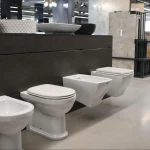
  • One-Piece Toilets (Comfort Height): This keeps things neat and makes them last longer. These will be quite helpful for folks who need help getting up and down because they come in different shapes and sizes. Because they don’t have a rim and their surfaces are smooth, one-piece Orthobaths are easy to clean.
  • Two-piece toilets: are a frequent and cheap way to make bathrooms that meet ADA standards. They work well, and there are versions that are easier for older people or individuals who have trouble getting around to use that are at a comfortable height and have two flushes.
  • Wall-Hung Toilets (Space-Saving & Adjustable Height): Wall-hung toilets are great for bathrooms that need to be simple to get to, since you can place them at different heights, which gives wheelchairs more room to move around. They look sleek and stylish since their tanks are hidden.
  • Back-to-wall toilets: are elegant and have pipes that are hidden, which makes them less of a problem and easier to go around in ADA-friendly layouts.
  • Toilets for people with disabilities and special needs: Orthobaths also makes toilets that are easy for people with disabilities to use. There are taller and more comfortable versions of these toilets that are safer for seniors and persons with disabilities to use.

These simple types of toilets help produce bathrooms that are safe, easy to use, and good for everyone.

How to Choose the Right ADA Compliant Toilet

Choosing the right ADA-compliant toilet isn’t just about meeting regulations, it’s about finding a solution that fits your space, users, and long-term needs. The standards set by the Americans with Disabilities Act provide a solid foundation, but smart selection goes a step further.

  • Not only “comfort height”: A toilet that reads “comfort height” doesn’t mean it follows the regulations of the Americans with Disabilities Act (ADA). Always double-check the parameters to make sure they are correct. This covers stuff like how tall it is, how to flush it, and whether or not it works with hold bars.
  • Get some measurements on how your bathroom is set up: Take a look around the bathroom before you buy. Check that there is enough space for the 60-inch clearance and that it is in the right place so that you can easily get to it.
  • Pick the Right Type of Toilet: Think about whether a one-piece, two-piece, or wall-mounted type would be best for you. Wall-hung toilets are fantastic for saving space and changing height, but two-piece toilets are cheaper.
  • Check to see if it’s straightforward to use: Look for things that are simple to operate, including flush controls that are easy to reach and surfaces that are smooth. People with weak hands may find lever-style or touchless flush systems quite helpful.
  • Think about who will be using the bathroom and what they need: Extra features like bidet functions or more space for help may be helpful for seniors, those in wheelchairs, and anyone who has trouble getting around.
  • Make plans for items like grip bars: Pick a toilet that will fit well with the grab bar you want to install. 

Selecting the right ADA-compliant toilet is about balancing compliance, comfort, and practicality, ensuring the bathroom is accessible today and adaptable for the future.

ADA Installation for Small Spaces

It could be hard to make a small bathroom that fulfills ADA requirements, but with the appropriate planning, even small bathrooms can be useful, stylish, and easy to get to.

Things to Keep in Mind When Putting ADA in a Small Bathroom

  • Minimum Clear Floor Space: wheelchairs need at least 60 inches of space to turn around. You could wish to turn in a T-shape instead if you don’t have a lot of space.
  • Wall-mounted toilets: are a terrific way to save floor space and make it easier for wheelchairs to get under them.
  • Small Fixtures That Meet ADA Standards: Ensure the toilets and sinks you purchase are compact enough for small bathrooms while still meeting ADA height and clearance standards. The toilet should be at least 16 to 18 inches away from the wall on the side so that it may be used and is up to code.
  • Grab Bar Optimization: Instead of putting grab bars on all four sides, put them on walls that are close to each other. This will keep them safe and provide them with more room.
  • Putting a sink in the corner: Corner sinks take up the most floor area, which makes it easier to move about.
  • Carefully designing the layout: If you want to leave the walking spaces open, you might want to choose a design that is straight or has a wall on one side instead of one with a lot of fixtures.

If you’re working on a number of units or renovations, smart ADA planning in compact spaces can aid both users and compliance without taking up extra space.

Cost of ADA Compliant Toilets

The price of an ADA-compliant toilet can vary greatly depending on its form, functionality, and how it needs to be put together. These toilets fulfill the Americans with Disabilities Act’s regulations, but the brand, design, and technology have a bigger effect on the price than just meeting the standards.

  • Basic ADA toilets, which are entry-level and come in two sections, cost between $150 and $400. The ADA thinks they are the proper height, and they are a terrific way for homeowners to make a small change.
  • In the mid-range ($400 to $800), you can get one-piece toilets that are better made, flush better, and are easier to clean. They look great, last a long time, and don’t cost too much.
  • High-end toilets cost from $800 and $2,500 or more: They have things like heated seats, bidets, automatic flushing, and controls that don’t need to be touched. These are great for making things as easy and comfy as possible.
  • Wall-Hung Toilets: $500 to $1,500 or more: Installing toilets in the wall requires systems, which can make the overall cost go up. They may still be set to different heights, and their thin shape saves space.
  • It could cost between $150 and $500 or more to have a professional do it: The more sophisticated the plumbing and the layout of the bathroom are, the more it will cost. If you need to change the ADA plan or make changes to the building itself, the costs can go up a lot.
  • More features that make it easier to use: Changes to the layout, grip bars, and more space can all raise the ultimate price. You should think about these items when you get ready, since they are important for following the ADA correctly.

Most of the time, a basic ADA-compliant system will cost between $300 and $1,000. More advanced or business-oriented systems may cost more. Putting money into the right answer makes sure that it will be useful, safe, and worth it for a long time.

Make Accessibility Your Advantage with Orton Baths

Orthobaths (Orton Baths) is changing the way bathrooms are made today by delivering a wide selection of unique sanitaryware solutions that are easy to use, comfortable, and beautiful in a modern way. Orthobaths sends high-quality bathroom supplies to homes, hospitals, hotels, and companies in more than 80 countries across the world.

They sell smart bidet toilets, new comfort-height toilets, wall-hung toilets, designer sinks, bathtubs, shower enclosures, LED mirrors, faucets, and other bathroom products. These things are whole bathroom solutions that are easy to get into and will last a long time.

Orthobaths is an expert at making things that are healthy for your health and easy to use. Their products include smart toilets that flush automatically, have heated seats, and built-in bidets to make them more pleasant and easy to use.

Key USPs of Orthobaths

  • There are a lot of different types of toilets, such as one-piece, two-piece, wall-mounted, and smart bidet variants.
  • Comfort-height sanitaryware products that focus on accessibility.
  • Touchless flush and sensor taps are smart hygiene features.
  • New designs that save space and work well in small bathrooms.
  • Long-lasting ceramic surfaces for long-term use.
  • Everything you need for your bathroom in one place: sinks, tubs, mirrors, and fixtures.

Orthobaths helps you make bathrooms that are not just functional and up to code, but also beautiful, efficient, and made for everyone to use.

Conclusion

When you choose a toilet that meets the Americans with Disabilities Act (ADA), you can’t just follow the legislation. Everyone should be able to readily get to the bathroom. How you choose, set up, and install the toilet all have an effect on how easy it is to use.

You can make a restroom that really helps with mobility and independence if you pay attention to factors like the height of the seat, how clean the floor is, how easy it is to use, and how much room there is to turn around.

In the long run, ADA-compliant solutions are worth the money because they make it easier to use things at home and at work. A bathroom that is easy to get to and well-designed is not only up to code, but it is also useful, will last a long time, and is good for everyone.

FAQ’S

The seat of an ADA-compliant toilet must be between 17 and 19 inches off the finished floor. This series makes it easy for people to sit down and get up comfortably.

Not all the time. The Americans with Disabilities Act states that full compliance also depends on installation, spacing, and flush-control accessibility. Many comfort height toilets meet the height standard.

There should be at least 60 inches of open floor space surrounding the toilet. This makes sure that wheelchairs can go in and out safely.

There must be a turning space with a minimum diameter of 60 inches.
Accessibility is no longer a nice-to-have; it’s a must-have in today’s environment. Bathroom design has become quite important as houses, hotels, and public places change to make them accessible to individuals of all abilities. The ADA-compliant toilet is one of the most critical parts of a bathroom that is easy to get to.

The Americans with Disabilities Act (ADA) created criteria that set high standards to make sure that people with impairments can utilize facilities safely, comfortably, and on their own. These rules are very important for persons who have trouble moving about, use wheelchairs, are older, or are healing from an injury.

ADA-compliant toilets are designed with features like higher seats, better spacing, and support systems that make them easier to use and less painful. These characteristics are not found in regular toilets. But they are important for more than just following the rules; they are also important for encouraging dignity, independence, and living together.

ADA Toilet Requirements

ADA regulations

Before you can build a bathroom that satisfies ADA regulations, you need to know what kind of toilet you need. These regulations are aimed at making things simpler to reach, safer, and easier for people who have problems getting around to utilize. The height, spacing, and other features all determine how comfortable the user is.

Following these principles can help you obey the rules and have a better time on the toilet.

  • Longer Bowl Shape: The ADA says that a longer toilet bowl is more comfortable. Because it is longer, it can hold things better than round bowls.
  • There must be at least 60 inches of open space around the toilet. This gives those in wheelchairs enough room to move around and get comfortable.
  • Distance from Wall (16–18 inches centerline): The toilet should be set up such that its midline is 16 to 18 inches from the wall. This makes sure that the grip bars are easy to reach and line up correctly.
  • Flushing controls: You should be able to flush with only one hand. They shouldn’t have to be really strong, twist a lot, or hold on tightly.

Installation Standards: The Key to True ADA Compliance

When it comes to ADA compliance, choosing the right toilet is only half the job; the real difference lies in how it’s installed within the space. According to the Americans with Disabilities Act, proper bathroom layout is essential to ensure full accessibility.

True compliance involves maneuvering clearance, not just fixture specifications. A toilet cannot be considered ADA-compliant if a wheelchair user cannot move freely around it. This is where floor space and turning radius become critical.

  • Clear Floor Space (Minimum 60 Inches): You need to keep at least 60 inches of floor space surrounding the toilet uncluttered. This gives people enough space to securely approach, close the setup, and move about without any problems.
  • 360-Degree Turning Radius: The wheelchair should be able to turn all the way around in the restroom, which means it has a 360-degree turning radius. This usually means that there should be a 60-inch-wide area with no obstacles so that people may move about freely.
  • Unobstructed Layout: There shouldn’t be any cabinets, sinks, or other things that get in the way of moving around the toilet. Even minor things can make it hard to get around.
  • Approachable Angles: You should be able to easily go to the toilet from both the front and the side. This versatility makes it easy for the user to get about when they need to.

Following these installation instructions will help you meet ADA regulations and follow best practices for “ADA bathroom layout.” This will make the building not only lawful but also very useful.

Types of ADA Compliant Toilets (As per Orthobaths Products)

There are a lot of toilets at Orthobaths that satisfy ADA criteria for comfort height, simplicity of use, and accessibility. People with physical restrictions will have a simpler time getting around, moving things, and staying comfortable for a long period if you choose the proper sort. Smart toilets come in a wide range of styles, from simple to complicated, and they all work well in both public and private bathrooms.

  • One-Piece Toilets (Comfort Height): This keeps things neat and makes them last longer. These will be quite helpful for folks who need help getting up and down because they come in different shapes and sizes. Because they don’t have a rim and their surfaces are smooth, one-piece Orthobaths are easy to clean.
  • Two-piece toilets: are a frequent and cheap way to make bathrooms that meet ADA standards. They work well, and there are versions that are easier for older people or individuals who have trouble getting around to use that are at a comfortable height and have two flushes.
  • Wall-Hung Toilets (Space-Saving & Adjustable Height): Wall-hung toilets are great for bathrooms that need to be simple to get to, since you can place them at different heights, which gives wheelchairs more room to move around. They look sleek and stylish since their tanks are hidden.
  • Back-to-wall toilets: are elegant and have pipes that are hidden, which makes them less of a problem and easier to go around in ADA-friendly layouts.
  • Toilets for people with disabilities and special needs: Orthobaths also makes toilets that are easy for people with disabilities to use. There are taller and more comfortable versions of these toilets that are safer for seniors and persons with disabilities to use.

These simple types of toilets help produce bathrooms that are safe, easy to use, and good for everyone.

How to Choose the Right ADA Compliant Toilet

Choosing the right ADA-compliant toilet isn’t just about meeting regulations, it’s about finding a solution that fits your space, users, and long-term needs. The standards set by the Americans with Disabilities Act provide a solid foundation, but smart selection goes a step further.

  • Not only “comfort height”: A toilet that reads “comfort height” doesn’t mean it follows the regulations of the Americans with Disabilities Act (ADA). Always double-check the parameters to make sure they are correct. This covers stuff like how tall it is, how to flush it, and whether or not it works with hold bars.
  • Get some measurements on how your bathroom is set up: Take a look around the bathroom before you buy. Check that there is enough space for the 60-inch clearance and that it is in the right place so that you can easily get to it.
  • Pick the Right Type of Toilet: Think about whether a one-piece, two-piece, or wall-mounted type would be best for you. Wall-hung toilets are fantastic for saving space and changing height, but two-piece toilets are cheaper.
  • Check to see if it’s straightforward to use: Look for things that are simple to operate, including flush controls that are easy to reach and surfaces that are smooth. People with weak hands may find lever-style or touchless flush systems quite helpful.
  • Think about who will be using the bathroom and what they need: Extra features like bidet functions or more space for help may be helpful for seniors, those in wheelchairs, and anyone who has trouble getting around.
  • Make plans for items like grip bars: Pick a toilet that will fit well with the grab bar you want to install. 

Selecting the right ADA-compliant toilet is about balancing compliance, comfort, and practicality, ensuring the bathroom is accessible today and adaptable for the future.

ADA Installation for Small Spaces

It could be hard to make a small bathroom that fulfills ADA requirements, but with the appropriate planning, even small bathrooms can be useful, stylish, and easy to get to.

Things to Keep in Mind When Putting ADA in a Small Bathroom

  • Minimum Clear Floor Space: wheelchairs need at least 60 inches of space to turn around. You could wish to turn in a T-shape instead if you don’t have a lot of space.
  • Wall-mounted toilets: are a terrific way to save floor space and make it easier for wheelchairs to get under them.
  • Small Fixtures That Meet ADA Standards: Ensure the toilets and sinks you purchase are compact enough for small bathrooms while still meeting ADA height and clearance standards. The toilet should be at least 16 to 18 inches away from the wall on the side so that it may be used and is up to code.
  • Grab Bar Optimization: Instead of putting grab bars on all four sides, put them on walls that are close to each other. This will keep them safe and provide them with more room.
  • Putting a sink in the corner: Corner sinks take up the most floor area, which makes it easier to move about.
  • Carefully designing the layout: If you want to leave the walking spaces open, you might want to choose a design that is straight or has a wall on one side instead of one with a lot of fixtures.

If you’re working on a number of units or renovations, smart ADA planning in compact spaces can aid both users and compliance without taking up extra space.

Cost of ADA Compliant Toilets

The price of an ADA-compliant toilet can vary greatly depending on its form, functionality, and how it needs to be put together. These toilets fulfill the Americans with Disabilities Act’s regulations, but the brand, design, and technology have a bigger effect on the price than just meeting the standards.

  • Basic ADA toilets, which are entry-level and come in two sections, cost between $150 and $400. The ADA thinks they are the proper height, and they are a terrific way for homeowners to make a small change.
  • In the mid-range ($400 to $800), you can get one-piece toilets that are better made, flush better, and are easier to clean. They look great, last a long time, and don’t cost too much.
  • High-end toilets cost from $800 and $2,500 or more: They have things like heated seats, bidets, automatic flushing, and controls that don’t need to be touched. These are great for making things as easy and comfy as possible.
  • Wall-Hung Toilets: $500 to $1,500 or more: Installing toilets in the wall requires systems, which can make the overall cost go up. They may still be set to different heights, and their thin shape saves space.
  • It could cost between $150 and $500 or more to have a professional do it: The more sophisticated the plumbing and the layout of the bathroom are, the more it will cost. If you need to change the ADA plan or make changes to the building itself, the costs can go up a lot.
  • More features that make it easier to use: Changes to the layout, grip bars, and more space can all raise the ultimate price. You should think about these items when you get ready, since they are important for following the ADA correctly.

Most of the time, a basic ADA-compliant system will cost between $300 and $1,000. More advanced or business-oriented systems may cost more. Putting money into the right answer makes sure that it will be useful, safe, and worth it for a long time.

Make Accessibility Your Advantage with Orton Baths

Orthobaths (Orton Baths) is changing the way bathrooms are made today by delivering a wide selection of unique sanitaryware solutions that are easy to use, comfortable, and beautiful in a modern way. Orthobaths sends high-quality bathroom supplies to homes, hospitals, hotels, and companies in more than 80 countries across the world.

They sell smart bidet toilets, new comfort-height toilets, wall-hung toilets, designer sinks, bathtubs, shower enclosures, LED mirrors, faucets, and other bathroom products. These things are whole bathroom solutions that are easy to get into and will last a long time.

Orthobaths is an expert at making things that are healthy for your health and easy to use. Their products include smart toilets that flush automatically, have heated seats, and built-in bidets to make them more pleasant and easy to use.

Key USPs of Orthobaths

  • There are a lot of different types of toilets, such as one-piece, two-piece, wall-mounted, and smart bidet variants.
  • Comfort-height sanitaryware products that focus on accessibility.
  • Touchless flush and sensor taps are smart hygiene features.
  • New designs that save space and work well in small bathrooms.
  • Long-lasting ceramic surfaces for long-term use.
  • Everything you need for your bathroom in one place: sinks, tubs, mirrors, and fixtures.

Orthobaths helps you make bathrooms that are not just functional and up to code, but also beautiful, efficient, and made for everyone to use.

Conclusion

When you choose a toilet that meets the Americans with Disabilities Act (ADA), you can’t just follow the legislation. Everyone should be able to readily get to the bathroom. How you choose, set up, and install the toilet all have an effect on how easy it is to use.

You can make a restroom that really helps with mobility and independence if you pay attention to factors like the height of the seat, how clean the floor is, how easy it is to use, and how much room there is to turn around.

In the long run, ADA-compliant solutions are worth the money because they make it easier to use things at home and at work. A bathroom that is easy to get to and well-designed is not only up to code, but it is also useful, will last a long time, and is good for everyone.

FAQ’S

The seat of an ADA-compliant toilet must be between 17 and 19 inches off the finished floor. This series makes it easy for people to sit down and get up comfortably.

Not all the time. The Americans with Disabilities Act states that full compliance also depends on installation, spacing, and flush-control accessibility. Many comfort height toilets meet the height standard.

There should be at least 60 inches of open floor space surrounding the toilet. This makes sure that wheelchairs can go in and out safely.

There must be a turning space with a minimum diameter of 60 inches.
Copyright 2023 Orton Group | All Rights Reserved

Follow ORTONBATH on social media

Get in Touch

Feel free to drop us a line below!