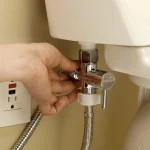
A toilet rarely fails “all at once”; it gives warnings first: hairline cracks, persistent leaks, tank refilling, wobbling, weak flushes, or recurring clogs. The key is knowing which symptoms are low-risk (often repairable) and which are red flags (where replacement is safer and usually cheaper long-term).
Modern bathrooms should look great, be hygienic, and be easy to maintain, whether you’re outfitting a home bathroom or specifying fixtures for a busy commercial washroom.
In this blog, you’ll learn what cracks, leaks, and repeated Toilet Blockage typically mean; safe diagnostic steps you can do at home; when a repair is sufficient; when replacement is the smarter call; realistic cost ranges; and simple maintenance habits that reduce clogs and extend toilet life.
What cracks, leaks, and recurring clogs are really telling you
A modern toilet is a durable ceramic fixture, but it’s also a system: porcelain + seals + bolts + tank parts + drain connection + venting. When one part starts failing, you often see symptoms in three buckets: cracks, leaks, and constant clogs.
Cracks
- Why they happen: Toilet cracks commonly come from impact (dropping something on the tank), stress from overtightened bolts, movement from a wobbling base, or long-term material fatigue.
- Why they’re risky: A crack can grow with repeated use and water pressure, especially cracks in the bowl, base, or near mounting points, creating leak paths and potential floor/subfloor damage. Cracks at or below the waterline are particularly concerning because they can leak continuously.
- Rule of thumb: Cosmetic hairline cracks (high on the tank, above the waterline) may sometimes be temporarily patched, but cracks in the bowl or base are generally a replacement situation because the toilet’s structural integrity and watertightness are compromised.
Leaks
Toilet leaks fall into two common categories: silent tank-to-bowl leaks and leaks at the base and each points to a different fix.
- Tank leaks (silent running): A worn flapper/flush valve can let water trickle from the tank to the bowl. The U.S. Environmental Protection Agency recommends a simple dye/food-color test: add coloring to the tank and wait (don’t flush); if color appears in the bowl, you likely have a leak, often fixable by replacing worn components.
- Why it matters: A running toilet can waste significant water; EPA WaterSense materials cite ~200 gallons per day for a running toilet. Even if you don’t see water on the floor, you’re paying for it.
- Base leaks: Water around the base (especially after flushing) often points to a failing seal (commonly the wax ring) or movement that breaks the seal. Home inspection guidance notes: early warning signs can include subtle rocking/wobbling, intermittent sewer odor, and stains or soft flooring near the base because the leak may be slow and hidden at first.

Recurring clogs and Toilet Blockage
An occasional clog happens. Recurring Toilet Blockage (weekly plunging, frequent slow drains, repeated overflow scares) usually means one of these is true:
- What’s being flushed is the problem. Multiple city/utility guidelines emphasize that wipes, even those labeled “flushable,” belong in the trash, not the toilet. They contribute to clogs and sewer backups.
- Your toilet is underperforming. Low tank water level, worn flush parts, or blocked rim jets can reduce flushing power and leave waste behind, leading to repeat clogs. Mineral deposits (lime/calcium) can clog toilet jets and weaken flush performance over time.
- The issue isn’t the toilet, it’s the system. Blocked vents or a partially blocked main line can cause repeated clogs/overflows (often alongside other drains acting up).
DIY diagnostic steps homeowners can do safely
You don’t need special tools to run a high-confidence first pass, just a flashlight, paper towels, and 10 minutes of attention.
Start with a quick safety check
If you see a crack in the bowl or base, or the toilet rocks noticeably, avoid putting full weight on it until you know it’s stable. Shut off the water at the stop valve if you suspect a leak, and plan for a replacement assessment.
Pinpoint the leak source
Check for silent tank leaks (dye test):
- Remove the tank lid.
- Add a few drops of food coloring.
- Wait ~10 minutes without flushing.
- If color appears in the bowl, you likely have a flapper/flush valve leak.
Check for base leaks
- Dry the floor completely and flush a few times. If moisture appears at the base after flushing, it points to a seal/flange issue more than condensation.
- Notice the sewer odor that comes and goes? That can indicate a compromised seal at the base.
Diagnose recurring clogs with a faster “pattern test”
Ask three questions before you assume “bad toilet”:
Are other drains slow (tub, sink)?
If yes, think venting or main-line blockage rather than the toilet itself.
Do clogs happen after certain items are flushed (wipes, paper towels, hygiene items)?
If yes, behavior is likely a major driver of many utilities that explicitly warn against flushing wipes and other “unflushables.”
Does the flush look weak/uneven?
If yes, check tank water level and consider rim jet buildup. Mineral deposits can clog jets and reduce flush performance, creating a cycle of repeat clogs.
Repair vs replacement
Most homeowners spend too long in the “repeat repair” loop, especially when the real issue is structural (cracks) or chronic underperformance (constant clogs). Use this section to decide logically.
Repair vs replacement comparison table
Cost ranges below reflect common U.S. national estimates for parts + labor (not including regional plumbing modifications). Use them as directionally useful benchmarks, not exact quotes.
Criterion | Repair is usually enough when you see… | Replacement is usually smarter when you see… | Estimated cost range | Lifespan impact |
Cracks | Hairline crack high on tank (above waterline) with no seepage (temporary at best) | Any crack in bowl/base, cracks that seep, or cracks that seem to grow | Repair varies; replacement typically includes install | Ceramic toilets can last decades, but structural cracks end the safe service life. |
Tank “running” / silent leak | Dye test confirms leak; fix by replacing worn tank components | Repaired multiple times, still runs, or tank is cracked | Common tank-part repair costs vary by component; pro repairs often stay far below full replacement | Tank components commonly need periodic maintenance/replacement over time. |
Leaking at base | Toilet is stable; seal/flange issue identified; floor damage is minimal | Soft/spongy floor, recurring base leaks, broken flange/subfloor issues, or toilet rocks | Wax ring/seal repair commonly costs far less than replacement; hidden floor repairs can escalate | A good seal protects subfloor; repeating leaks shorten floor lifespan more than toilet lifespan. |
Chronic clogs / Toilet Blockage | Clog is clearly from a one-off cause; auger/plunger resolves; flush performance is otherwise strong | Weekly clogs, repeated overflows, weak flush, or mineral-clogged jets returning quickly | Unclog/repair varies; replacement install commonly falls in a few-hundred-dollar range | Modern high-performance flushing + easier-to-clean bowls reduce repeat blockage risk. |
Water efficiency and bills | Toilet already performs well and doesn’t run | Older inefficient toilet, frequent running, or you want measurable water savings | Install cost varies; efficiency savings accrue over time | WaterSense-labeled toilets can cut toilet water use 20–60% and save ~13,000 gal/year per home. |
Cost and value considerations that homeowners often miss
The “cheapest today” fix isn’t always the lowest-cost option over a year. A toilet that runs silently or clogs repeatedly can cost you in water use, stress, and secondary damage (flooring, odors, emergency calls).
If you’re choosing between repeated repairs and replacement, add up three buckets:
- Water waste: EPA WaterSense guidance notes that old-technology toilets and leaks can drive large hidden losses; replacing old, inefficient toilets with WaterSense-labeled models can reduce toilet water use 20–60% and save nearly 13,000 gallons per year (plus meaningful annual cost savings).
- Risk reduction: A base leak can quietly damage subflooring for months before it’s obvious home inspection guidance emphasizes that by the time damage is visible, the problem may have been ongoing for a long time.
- Design and maintenance: Newer designs (especially rimless bowls) are built to reduce hidden grime zones and simplify cleaning an explicit comfort and hygiene theme across Orton Baths’ educational content.
Maintenance habits that prevent Toilet Blockage and extend toilet life
Most “bad toilet” stories start with small habits that stack up: flushing the wrong items, letting mineral buildup choke rinse holes, or ignoring a slow leak until it becomes floor damage. Keep it simple:
- Only flush the basics: Many municipal water agencies share an easy rule; flush only human waste and toilet paper; trash wipes (including “flushable”), paper towels, and hygiene products. This single change prevents a huge share of avoidable clogs and backups.
- Run the 10‑minute leak test a few times a year: The dye test catches silent tank leaks early, often before they show up on your bill.
- Fight mineral buildup before it becomes a weak-flush cycle: Mineral deposits can clog toilet jets and reduce flush power, which in turn increases clogs and repeat flushing. If you’re in a hard-water area, periodic cleaning is preventative maintenance, not cosmetic.
Respond quickly to wobble and base moisture: A rocking toilet can break the seal and let water (and odor) escape; inspection guidance flags wobble, sewer smells, and staining as early warning signs.

If your diagnostics point to “repairable,” Orton Baths’ ORTONBATH™ Universal Water-Saving Toilet Repair FLUSH Kit with Dual Flush Valve, Lever Handle, White Water-Saving Dual Flush TOILET FLUSHING VALVE is designed to replace key flush components and restore smooth operation, ideal for addressing running toilets and worn dual-flush assemblies.
If you’re ready to upgrade to a modern, clog-resistant setup, consider toilets that pair rimless hygiene with Tornado Flush bowl-washing action (both explained in Orton Baths’ own flush-technology guide).
The OrthoBath range includes the ORTONBATH™ Transitional Two-Piece Elongated 1.28 Gpf Tornado Flush Toilet with Seat, Cotton White (rimless design + dual push-button flush) and the space-smart ORTONBATH™ Fully Back to Wall Rimless Two Piece Tornado Flush Toilet Quick Release Toilet Seat with Wall Faced Design and UF Seat Cover (back-to-wall layout to hide pipework + dual flush).
For renovations where cleaning access and floor space matter, a wall-hung configuration like the ORTONBATH™ RIMLESS wall-hung toilet, a powerful Tornado Flush wall-mounted toilet with concealed cistern and soft-close seat cover, can simplify floor cleaning paired with the required in-wall tank hardware.
Conclusion
If you’re seeing cracks, repeated leaks, or frequent Toilet Blockage, treat it like system feedback, not bad luck. A quick inspection and a couple of simple tests can tell you whether you’re looking at a straightforward repair (tank parts, resealing the base) or a replacement that prevents higher costs like water waste and hidden floor damage.
When replacement is the right move, prioritize a toilet that’s designed for low-maintenance hygiene (rimless bowl geometry) and effective flushing (efficient, well-distributed bowl wash), because performance is what stops the cycle of clogs and emergency plunging. That “design-for-cleaning” philosophy is central across Orton Baths’ product education and it’s exactly what most homeowners want when they upgrade